Composite or polymer
Capped composite is the conventional choice and performs very well. Capped polymer contains no wood flour, so there is
nothing in the board for moisture to act on. It is lighter, it stays noticeably cooler in sun than a comparable dark
composite, and it costs more.
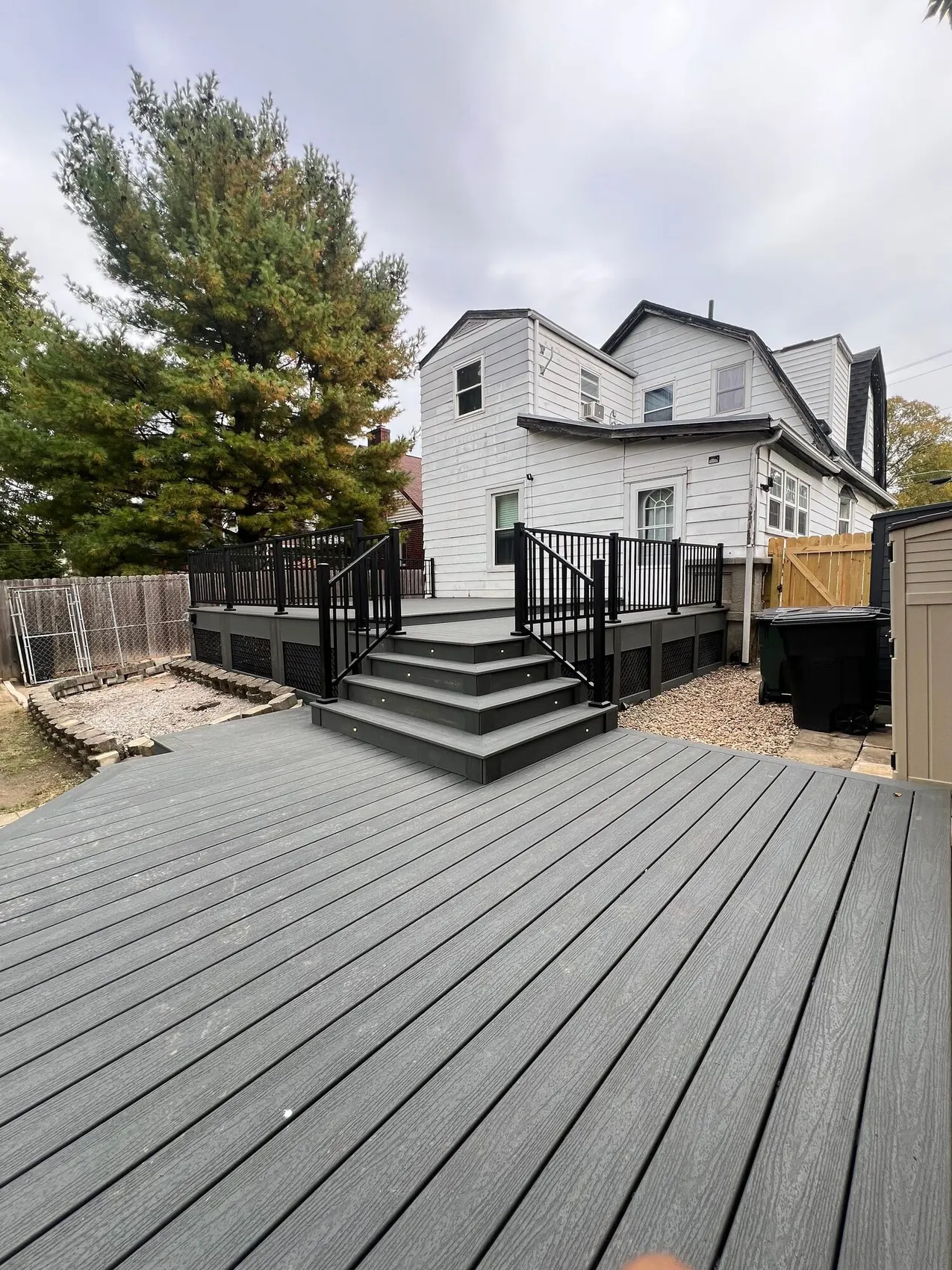
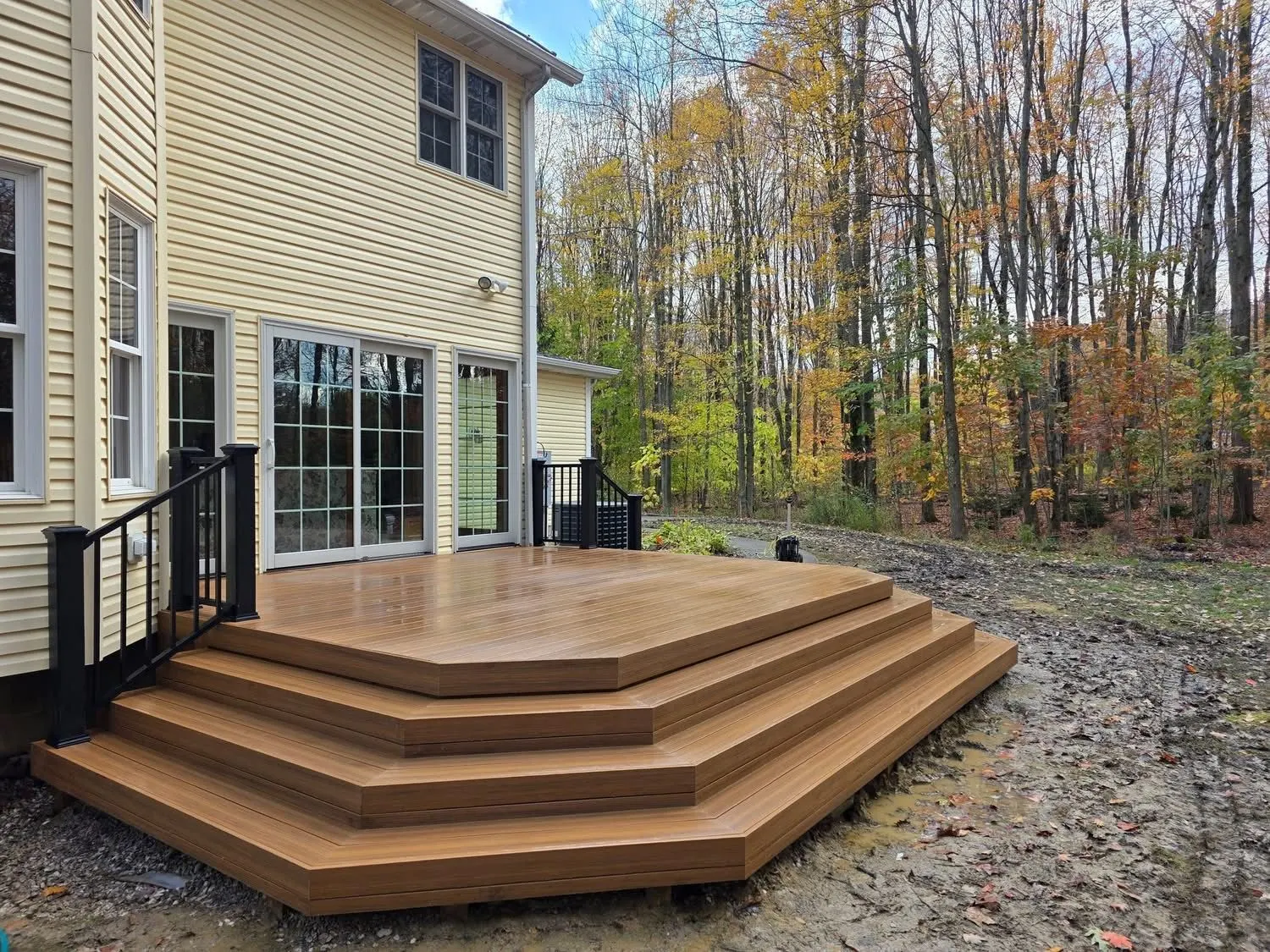
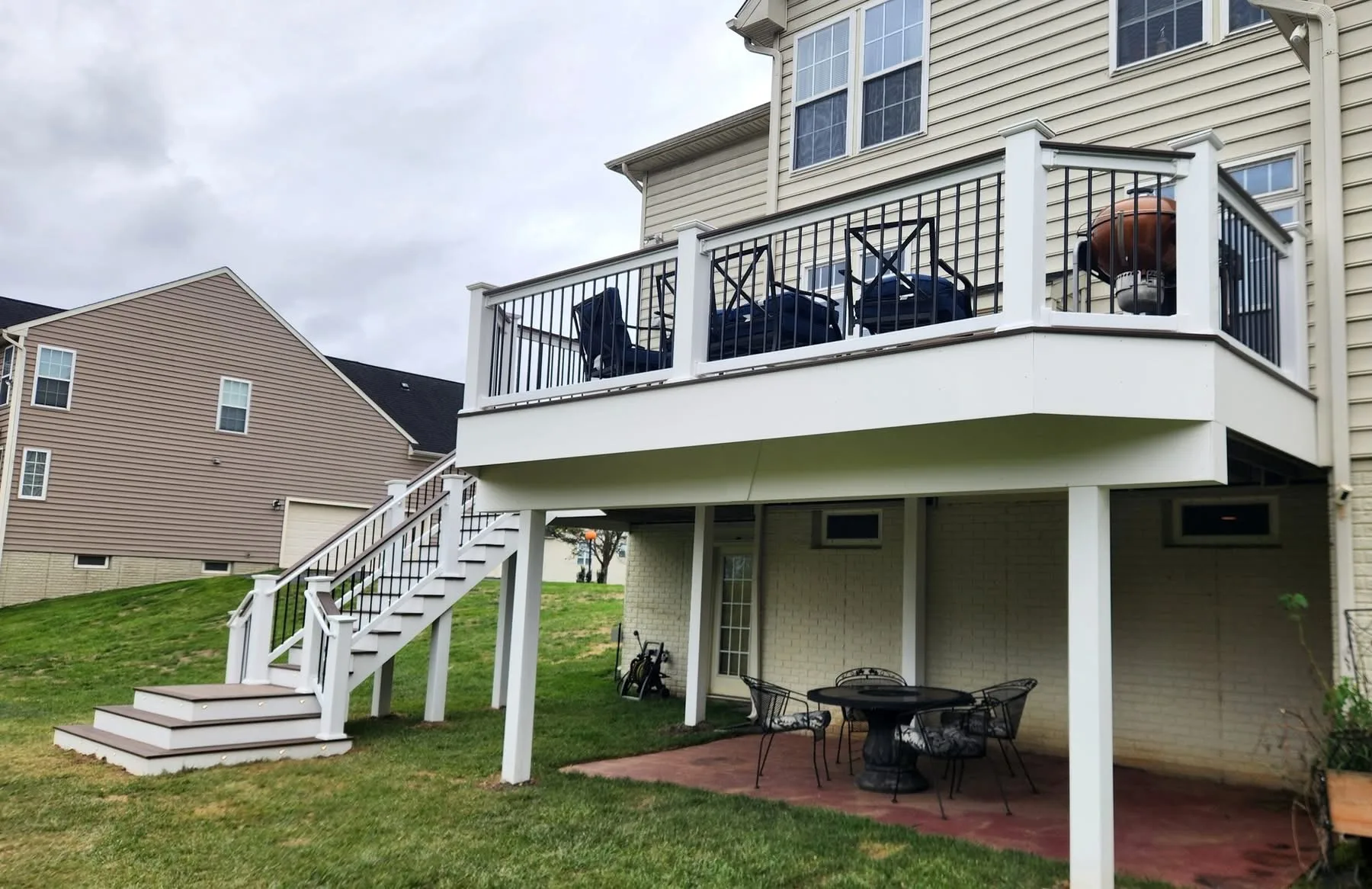
For a raised deck in an open yard, composite is usually the sensible spend. For a ground level deck with little airflow
underneath, a pool surround, or a shaded area that stays damp, polymer is the one we would point you at.
Board widths and layout
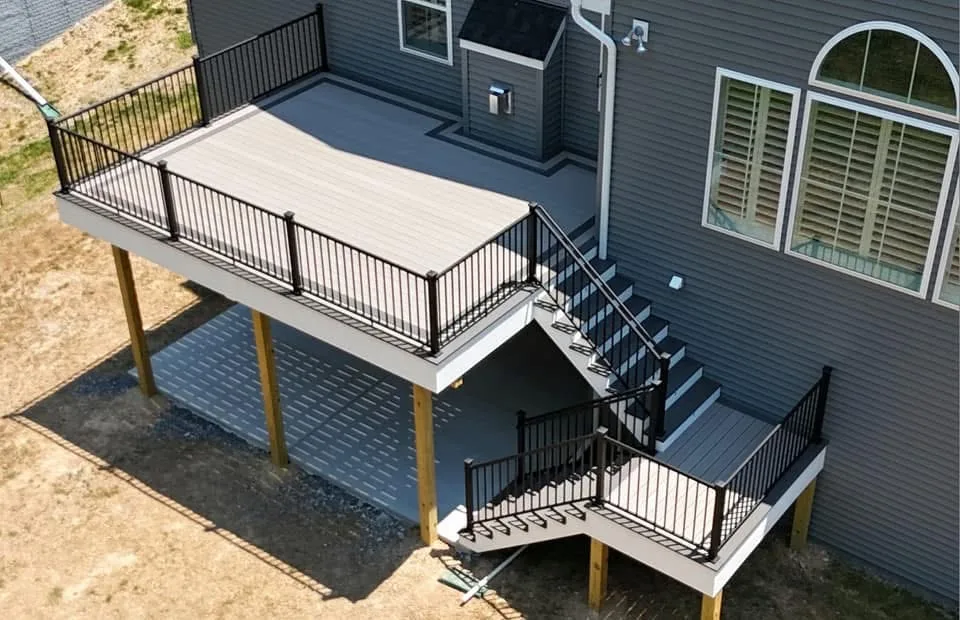
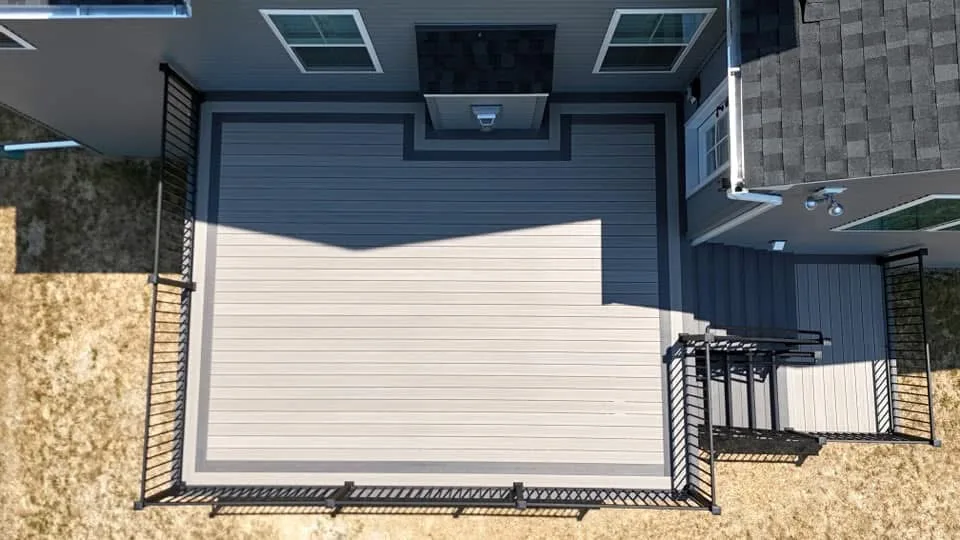
TimberTech offers boards in more than one width across several of its lines. Mixing widths is a way to break up a large deck
surface without resorting to inlays, and it reads as deliberate rather than busy when it is planned into the framing from
the start.
As with any composite, the frame has to be built for the board. Spacing, blocking under borders and the layout of butt
joints are all set before the first board is fastened down.
Railing choices
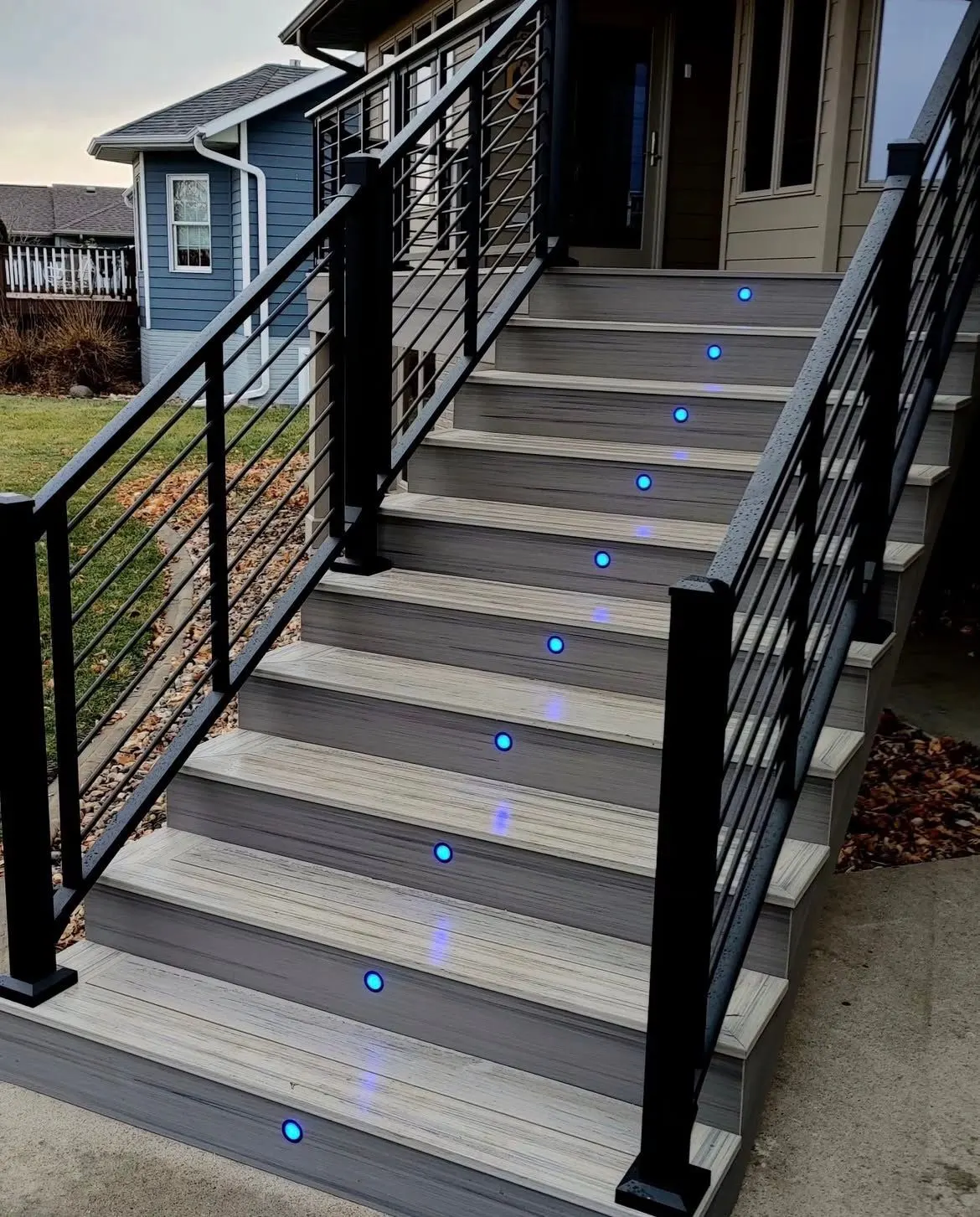
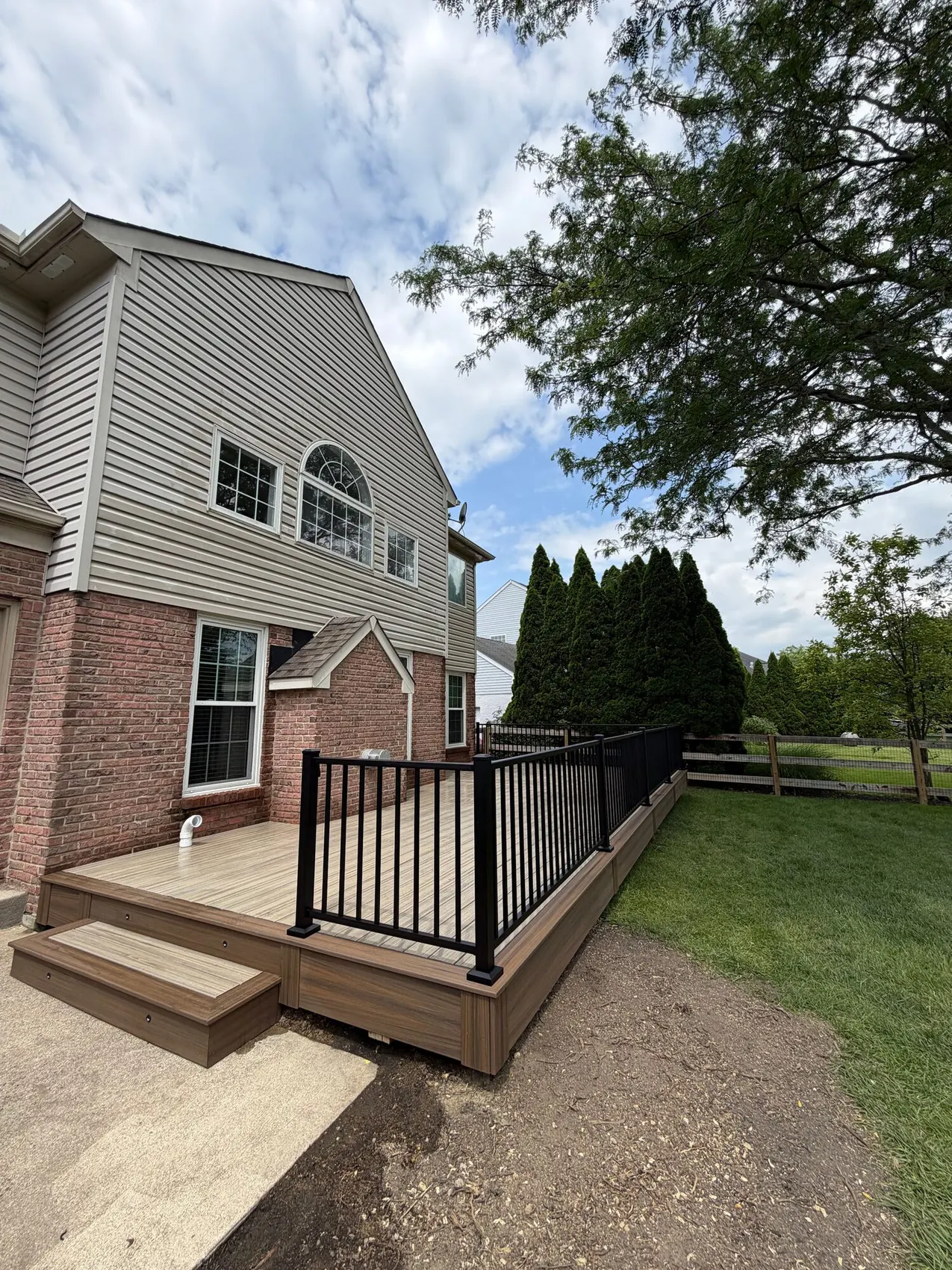
TimberTech railing systems match the board colours, and there are cable and aluminium options where you want to keep a view.
We have built plenty of both. On a deck overlooking anything worth seeing, a horizontal cable or thin aluminium picket does
far more for the space than a heavier composite rail.